
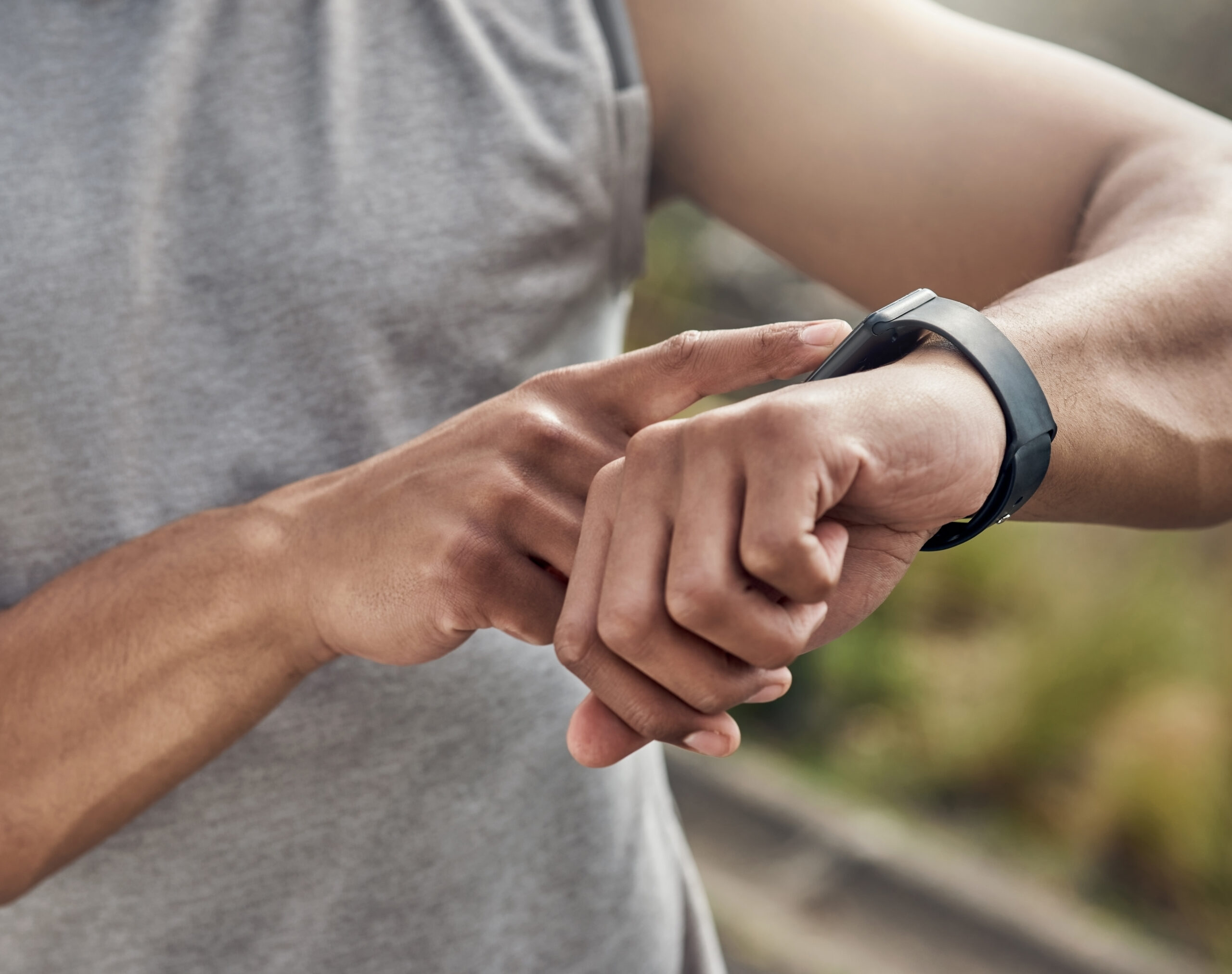
Health data is meant to guide better decisions—not control your day. This article explains how over-relying on daily metrics can create anxiety and lead to poor decision-making. Instead of reacting to every data point, focus on long-term trends, track only what matters, and use data to reinforce consistent habits. When used correctly, health tracking becomes a tool for clarity and longevity—not stress.
You wake up, check your Oura before your feet even hit the floor, and there it is. A bad sleep score.
Suddenly, the whole day feels different, and it hasn’t even started.
Now you’re second-guessing your workout, your focus, your mood, and maybe even whether you’re doing enough for your health.
A lot of people have been there.
The whole point of tracking your health data is to get useful information. But somewhere along the way, we started treating it like a daily verdict instead of what it’s supposed to be: Feedback.
That’s when all this tracking can start working against you.
More data doesn’t automatically lead to better decisions. Most of the time, it just creates more noise.
Instead of creating clarity, it creates anxiety. Instead of reinforcing consistency, it pulls you into chasing numbers.
I’ve seen both sides of this.
At BodySpec, we used DEXA scans and biomarker testing to help people better understand what was going on in their bodies.
I’ve also used wearables to track my own health data—and I’ve gone down that rabbit hole myself. Checking a bad score and letting it affect my whole day.
Done right, health information can reduce guesswork and help you make better decisions.
That’s the goal here. Not to optimize everything. Not to react to every metric. Just to use objective information to make better decisions that actually support your wellness and longevity over time.
What Data-Driven Health Should Mean
Data-driven health isn’t about turning your body into a full-time project or chasing perfect scores every day.
I think this is where a lot of people get twisted up in the health technology space.
They start with good intentions. They want more clarity around sleep, recovery, training, stress, or whatever else they’re tracking. But then the data starts running the show. One “off” metric suddenly feels like proof that something is wrong.
That’s the reactive way to use health data. It’s emotional, it changes day by day, and it gets old fast.
There’s a better way to do this.
Use data to zoom out and look for patterns.
You pay attention to direction over time. You start asking better questions. Am I recovering well this month? Am I getting good sleep? Have I been more stressed than normal?
Data is a tool, not a scorecard. The moment it starts feeling like one, you’re using it wrong.
Why Trends Matter More Than Snapshots
A snapshot tells you what happened once. A trend tells you where things are heading.
Those are two very different things, and if you treat them the same way, you’re going to end up reacting to a lot of info that doesn’t actually deserve that much attention.
One bad night of sleep could mean anything. Maybe dinner was late. Maybe work was stressful. Maybe you were traveling. Maybe your kid woke you up at 3 a.m. That’s real life.
But if your sleep has been inconsistent for the last two weeks and you’re starting to feel it in your energy, focus, or recovery, that’s a trend. Pay attention to that.
Same with training. One poor workout doesn’t automatically mean you’re under-recovered or losing progress.
But if your performance has been slipping for a while, your motivation is down, and sessions that normally feel doable keep feeling harder than they should, that’s different.
The same goes for resting heart rate or other stress markers. One elevated reading might be random. A pattern of elevated readings usually means something is happening under the surface.
That’s exactly why trends matter. It prevents overreacting. Even more, it makes it easier to stay consistent because you stop changing your plans every time a number goes the wrong way for a day.
I’ve spent a lot of my life in environments where performance mattered.
When I was on the All-Armed Forces Soccer Team, no one cared if I was having an off day.
Practice was still on. Lifting was still happening. I was still expected to show up and compete.
And the coaches weren’t making long-term decisions based on one rough session. They cared about where I had been, how I was developing, and where I was headed.
That’s the mindset that makes health data useful, too.
Focus on What Actually Moves the Needle
One of the fastest ways to make health technology less helpful is by tracking too much.
When every app or device is giving you numbers, it’s easy to lose track of what really matters.
Most people don’t need more metrics. So what should you focus on?
These are the four areas I focus on for the most value:
Sleep is the big one. Not because you need a perfect sleep score every night, but because sleep affects just about every aspect of your health. Energy, training, mood, recovery, focus, all of it. What matters most is whether you’re sleeping enough and whether your schedule is relatively consistent. One rough night isn’t the story. Remember, we’re focusing on patterns.
Recovery is another area where people can get obsessed if they’re not careful. Metrics like resting heart rate and HRV can be useful, but only if you treat them as feedback.
Movement matters, too, but people overcomplicate it. One heroic workout doesn’t tell you much. A consistent week does. You learn more from moving your body four or five times in a week than from one day when you went all out and needed three days to recover. Consistency over intensity. Every time.
And then there’s stress, which is probably the most overlooked variable. People will stare at sleep and recovery data without acknowledging their job is demanding, or that life is chaotic. Data can help here, but you need some self-awareness, too.
How to Use Health Data Without Burning Out
For me, it comes down to one thing: a simple system.
First: track fewer things. Pick a few metrics that connect in a useful way. I’ve already said sleep, recovery, movement, and stress. Start there. If a metric isn’t helping you make a better decision, it probably doesn’t need that much of your attention.
Second: Zoom out. Daily fluctuations are normal. It’s called being human. What matters more is what the last week and the last month looked like, and whether the general direction is improving, declining, or holding steady.
Third: Use data as a guide. If a recovery score is low, maybe you adjust the workout. If sleep has been off for a week, maybe that means tightening up your evening routine. Keep your emotions in check. Don’t overreact and start looking at your health with an “all or nothing” lens.
Fourth: Build routines around the data. Good health technology should reinforce habits, not replace them. It should help you notice what’s working so you can repeat it consistently.
Stay human. Pay attention to the context that’s influencing the data.
Travel. Work stress. Family stuff.
Life isn’t a controlled lab environment.
Stop trying to be perfect and just build a system that fits into your actual life.
The Bigger Picture: Data as a Tool for Longevity
At its best, data-driven health helps you make better choices before small problems become big ones.
That’s the main value of health technology for me, and it’s a big part of what we focus on at Longevity Loft. We’re building routines that support a healthier, more sustainable lifestyle.
When you use data the right way, you spot patterns you might have missed.
This kind of awareness is important because that’s the whole point of preventative health.
If your health data is making you more reactive or anxious, something is off.
That doesn’t mean you need to throw your Oura ring away, but it probably means you need to change how you’re using it.
If your data is running your day, you’re using it wrong. It’s a supportive tool. Treat it that way.