
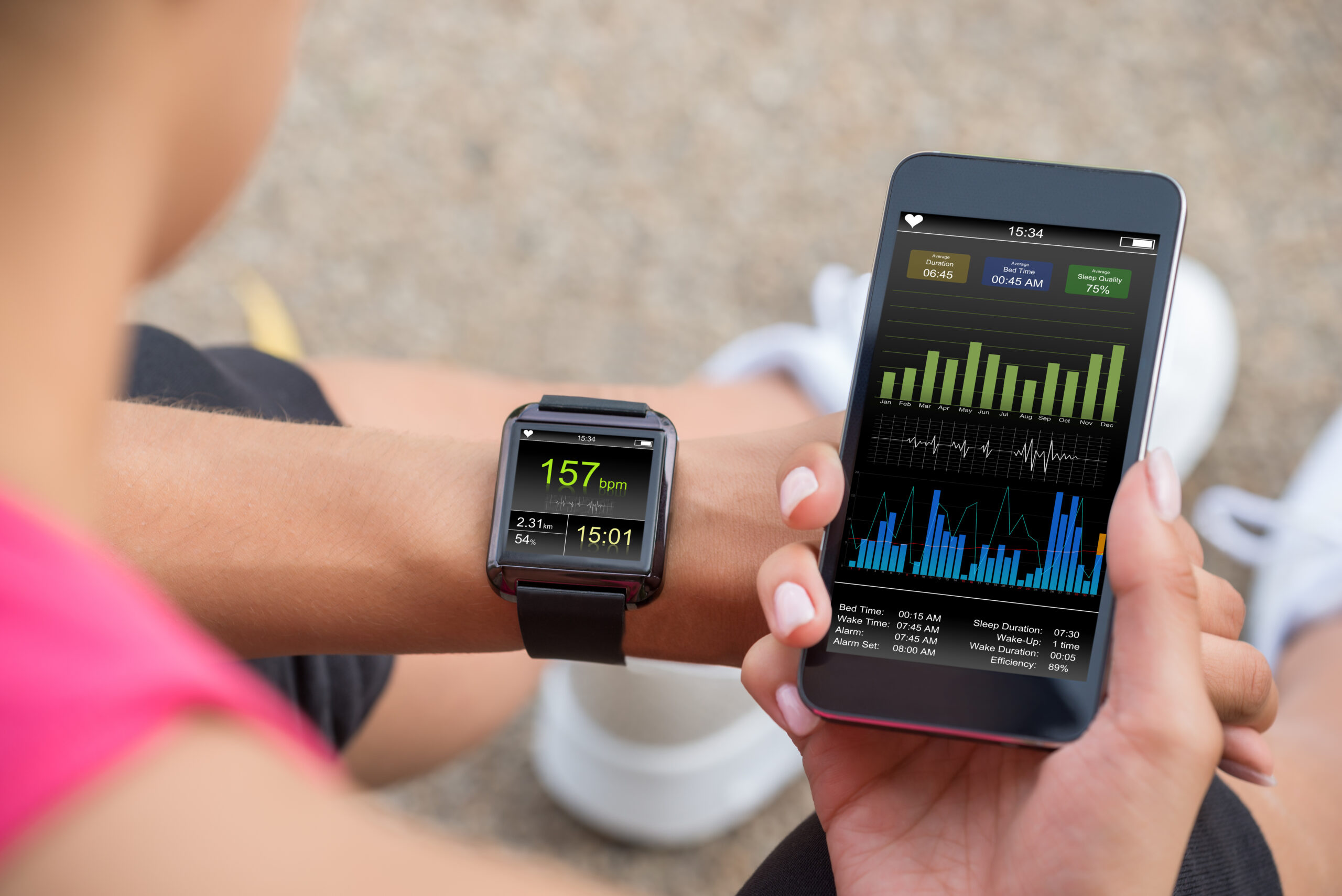
How is health technology shifting wellness from reactive treatment to proactive prevention? What role does health technology play in helping individuals track long-term patterns instead of isolated metrics? How can health technology support better decision-making without replacing human judgment?
This article explores how health technology is transforming the traditional, symptom-driven model of healthcare into a proactive, data-informed approach. Instead of waiting for problems to surface, individuals can now use wearables, biomarker testing, recovery metrics, and body composition scans to monitor trends over time. The piece emphasizes that preventative wellness is built on recognizing patterns early, allowing small adjustments before minor imbalances escalate into larger health concerns.
The blog also highlights how effective health technology must be accessible, repeatable, and designed around real people. By focusing on core drivers such as sleep, recovery, movement, and stress management, health technology becomes a tool for clarity rather than pressure. When used as guidance—not judgment—health technology supports human decision-making, helping individuals build sustainable awareness and long-term wellness habits grounded in trend data rather than isolated readings.
Not long ago, most people thought about their health in one of two moments: when something went wrong, or when a doctor told them it had.
For decades, health awareness was largely reactive. You waited for symptoms. You responded to pain. You adjusted after a diagnosis. Wellness wasn’t something you managed. It was something you responded to.
Today, that model has shifted. Technology has fundamentally changed how we think about wellness. Instead of just reacting to problems, more people can monitor patterns, track trends, and make small adjustments before minor issues turn into major ones.
I’ve seen this shift firsthand. Through co-founding a health-tech company and operating data-informed wellness services, I’ve watched accessible, repeatable data move health awareness to the top of people’s minds. When health technology is well-designed, it gives individuals visibility into what’s already happening beneath the surface.
The Shift From Reactive Health to Proactive Wellness
Historically, healthcare has been symptom-driven. You noticed something was off, and then you sought help. That model made sense in a world where continuous monitoring wasn’t possible. But it also meant most action happened after stress, decline, or dysfunction had already taken hold.
Preventative wellness flips that model.
Instead of asking, “What do I do now that something is wrong?” the question becomes, “What patterns am I seeing before something goes wrong?”
This is where health technology plays a meaningful role. Wearables, sleep trackers, recovery metrics, body composition scans, and biomarker testing have made personal health data more accessible than ever. According to data from the Centers for Disease Control and Prevention, many chronic conditions are strongly influenced by lifestyle behaviors, which means earlier identification can significantly affect long-term outcomes.
When used correctly, modern health technology turns health from something you react to into something you actively manage.
Making Health Data Accessible and Repeatable
Complex health systems rarely help the average person make better decisions. Accessible systems do.
One of the most meaningful shifts I’ve seen in health technology is the improvement in how accessible our own health data has become. When I helped build mobile DEXA scanning services through BodySpec, the goal was never to overwhelm people with technical information. It was to make objective health data easier to access and repeat over time.
Accessibility matters because preventative wellness depends on patterns, not snapshots.
A single scan, wearable reading, or biomarker test can be informative, but on its own, it rarely changes behavior. One data point doesn’t establish direction. It doesn’t show whether something is improving, declining, or simply fluctuating within a normal range. Real value emerges when those data points are collected consistently and viewed over time.
When health technology becomes part of an ongoing routine rather than a one-time event, people begin to see trends instead of reacting emotionally to individual results. Instead of interpreting a single reading as success or failure, they start asking better questions:
Is this moving in the right direction?
Has this pattern been consistent?
What might be influencing this change?
That shift reduces anxiety and increases ownership. Accessible health technology helps make the right information visible in a way that people can realistically understand. When the process is simple, repeatable, and easy to interpret, it supports long-term preventative wellness rather than creating noise.
Tracking Trends Instead of Isolated Metrics
One of the most common mistakes I see clients make is overreacting to a single data point. A poor night of sleep or an elevated stress score can feel like a setback. But isolated readings rarely tell the full story.
Biological systems are inherently variable. Research from the National Institutes of Health has consistently shown that fluctuations in biomarkers, sleep cycles, heart rate variability, and other physiological measures are normal. What matters far more than any single reading is the direction those measurements move over time.
When you step back to view trends rather than daily fluctuations, you gain context. A gradual decline in recovery over several weeks suggests something different than a single “off day” after travel or stress. A steady erosion in sleep consistency over a month carries more weight than one late night.
Learning to interpret data through a long-term lens changes decision-making. That shift—from reacting to individual metrics to responding to patterns—reduces anxiety and improves clarity. Preventative wellness is about recognizing direction early enough to make thoughtful adjustments.
Using Data as Guidance, Not Judgment
Research in behavioral psychology suggests that excessive self-monitoring can increase stress when metrics are interpreted without context. Numbers alone are neutral. The meaning assigned to them is what determines whether they create clarity or pressure.
Health technology works best when it is framed as guidance rather than evaluation. Metrics are meant to inform effort and pacing, not judge performance. If recovery trends decline, that may indicate the need to temporarily reduce intensity. If stress metrics trend higher, it may signal that recovery or sleep should be prioritized. If sleep consistency improves, that reinforces behaviors that are already working. In each case, the data provides direction, not a grade.
Preventative wellness is not about chasing perfect numbers. Used correctly, health technology strengthens self-awareness rather than undermining it.
Focusing on What Actually Moves the Needle
One of the challenges of modern health technology is the temptation to measure everything. With increasing access to wearables, real-time notifications, dashboards, and metrics, it can feel productive to track as much data as possible.
In my experience, a relatively small number of core areas account for a significant portion of long-term health and preventative wellness outcomes. When these foundational areas are supported, most secondary metrics improve naturally.
Sleep quality remains one of the most influential factors. Consistent, restorative sleep supports cognitive performance, recovery capacity, metabolic health, and emotional regulation.
If you are using health technology to support sleep, focus on trends that reflect consistency and recovery rather than chasing perfection. Useful indicators include total sleep time, sleep timing (bedtime and wake time patterns), and sleep efficiency. You don’t need to analyze every sleep stage nightly. What matters most is whether your sleep patterns are stable and trending in the right direction over time.
Recovery capacity is the ability to adapt to both physical and psychological stress. This often determines wellness sustainability. Without adequate recovery, even well-structured routines eventually stall.
When monitoring recovery, look for indicators that reflect how well your body is adapting. Metrics such as resting heart rate trends, heart rate variability, and perceived fatigue can provide context. The goal is to notice sustained declines that signal the need for adjustment. Recovery data should inform pacing, not create pressure.
Movement consistency matters more than intensity. Regular, moderate activity tends to produce more sustainable benefits than extreme, short-lived efforts.
For movement, consistency metrics are more valuable than peak performance metrics. Weekly activity frequency, total active minutes, and step counts often provide sufficient insight into movement.
Stress management may be the most underestimated driver of long-term outcomes. Chronic stress patterns influence nearly every physiological system, often quietly and cumulatively.
Technology can offer useful signals here as well. Heart rate variability trends, sleep disruption patterns, and subjective stress tracking can reveal whether stress is accumulating. Combining objective data with simple self-check-ins—such as mood or perceived stress ratings—creates a fuller picture.
When health technology focuses on these core areas rather than an exhaustive list of secondary metrics, it supports clarity. Simplicity encourages consistency. The most effective tools are those that help individuals focus on what meaningfully influences their health, rather than distracting them with excessive detail.
Designing Health Technology Around Real People
Not all health technology is designed with the end user in mind. Some tools are engineered primarily for technical performance. Others are built around research environments. The tools that consistently support behavior change are the ones designed around real people and their schedules.
Human-centered design plays a significant role in long-term engagement. When technology is intuitive, easy to interpret, and seamlessly integrated into daily life, it reduces friction. When it is overly complex or visually overwhelming, it becomes another demand competing for attention.
In operating data-informed wellness services, I have observed that the most effective tools are those that provide clarity without constant interruption. They do not require obsessive monitoring. Instead, they offer meaningful feedback at the right moments.
Preventative wellness does not require continuous surveillance. It requires useful information delivered in a format that people can realistically interpret and apply. When health technology is built around that principle, it becomes a companion to awareness rather than a distraction.
Supporting Human Decision-Making, Not Replacing It
There is a common misconception that health technology replaces human judgment. In practice, it does not. Technology provides data. People interpret and act on that data.
To me, the most effective use of health technology balances objective insight with lived experience. Metrics can highlight patterns, but context still matters. Professional care still matters. Personal intuition still matters. Data does not override judgment; it informs it.
When individuals have clearer visibility into trends across sleep, recovery, stress, and movement, they are better equipped to act earlier. They can adjust behaviors before small deviations compound. They can ask more informed questions when consulting professionals. They can seek support proactively rather than reactively.
That clarity is what allows preventative wellness to move from theory into daily practice.