
Sustainable leadership isn’t about pushing harder or relying on willpower. It’s about building systems that reduce unnecessary decisions and preserve mental energy over time. Leaders face constant cognitive demands, and without structure, decision fatigue gradually erodes clarity, judgment, and consistency.
High-performing leaders design routines around key areas like sleep, movement, nutrition, and focused work. These systems remove daily friction, stabilize energy levels, and create the conditions for better decision-making. Instead of reacting throughout the day, they operate within clear structures that make the right choices easier.
Over time, these small, repeatable systems compound. They improve resilience under pressure, support recovery, and allow leaders to perform consistently for years rather than burning out in short bursts. Sustainable leadership is not built through intensity. It’s built through structure, consistency, and disciplined systems that support long-term performance.
Leadership is often seen as the culmination of a career built through experience, discipline, and determination. It’s easy to aspire to, but much harder to sustain. Over time, the demands of leadership can push people into making trade-offs that compromise their emotional and physical well-being.
As a leader, every day brings hundreds of small decisions: when to respond, what to prioritize, how to structure meetings, how to handle unexpected problems, and countless other choices. Individually, these decisions feel manageable. Collectively, they create cognitive fatigue that slowly erodes clarity, judgment, and consistency.
This is why sustainable leadership systems matter. Long-term performance doesn’t come from pushing harder every day. It comes from building systems that reduce unnecessary decisions and preserve the energy required for the decisions that actually matter. When leaders design personal and professional structures that support focus, recovery, and long-term wellness, they create the conditions for sustainable leadership rather than short bursts of intensity.
Over time, I’ve learned the leaders who perform well for decades rarely rely on willpower alone. They rely on systems.
The Hidden Cost of Decision Fatigue in Leadership
It’s no secret that leadership requires constant judgment. Even a routine day involves dozens of small decisions that gradually drain cognitive energy. Research in behavioral psychology has shown that the human brain has a limited capacity for decision-making each day. As that capacity declines, the quality of decisions tends to decline with it.
This phenomenon—known as decision fatigue—shows up in leadership more often than people realize.
Early in the day, leaders tend to be more deliberate and thoughtful. Later in the day, when mental bandwidth has been depleted by meetings, emails, and operational issues, decisions become more reactive. Patience declines. Shortcuts start to seem reasonable. Judgment becomes less consistent.
What makes this dynamic particularly challenging is that decision fatigue rarely feels dramatic. It builds gradually. One extra meeting here. One unexpected problem there. Over time, those small demands accumulate into a level of cognitive exhaustion that leaders often don’t recognize until a meaningful mistake slips through.
For this reason, sustainable leadership is less about endurance and more about conservation. Leaders who perform consistently over long periods learn to protect their decision-making capacity. They remove unnecessary choices wherever possible and preserve mental energy for the moments that require judgment.
Systems Over Willpower: Designing for Sustainability
High-performance environments don’t rely on motivation alone. They depend on structure.
In both elite athletics and military environments, many decisions are made long before performance is required. Training schedules are fixed. Expectations are clearly defined. Protocols exist for handling specific situations.
These systems reduce the number of decisions individuals have to make in the heat of the moment.
Leadership benefits from the same approach.
When leaders rely entirely on willpower, every decision requires fresh energy:
“What time should I wake up?”
“When should I work out?”
“What should I eat today?”
“When should I focus on deep work?”
Individually, these questions are small, but answering them repeatedly throughout the week adds unnecessary cognitive load. Sustainable leadership removes many of these decisions by establishing rules early. Certain routines become non-negotiable. Certain priorities are protected automatically. Certain boundaries are already defined.
Instead of constantly deciding what to do, leaders operate within systems that make the right choice easier. That shift, from reactive decision-making to structured leadership, is one of the most effective ways to preserve clarity and consistency over time.
Morning Architecture: Winning the Quiet Hours
One of the simplest routines I’ve built into my own system is protecting the early hours of the day.
I wake up early during the week for a reason: the quiet hours belong to me. Before messages begin arriving, before meetings kick off, before professional and personal demands take over the day, there’s a short window of time that gives me space for uninterrupted thinking.
That usually means coffee, a calm environment, and the ability to focus on the most important work before the daily noise begins. Strategic thinking, writing, planning, and problem-solving all benefit from this kind of distraction-free time.
There’s also a neurological advantage to early focus. After a full night’s sleep, the brain is often operating at its highest level of clarity and cognitive energy. Using that window for deep work tends to produce higher-quality output than trying to force the same level of thinking later in the day when mental bandwidth is depleted.
Sleep as Strategic Capital
Of course, you won’t get up early if you don’t get a good night’s sleep.
Unfortunately, many leaders, and people in general, treat sleep as negotiable. It’s something that can be shortened when schedules become demanding. Over time, that mindset creates sleep debt. It doesn’t always show up immediately, but it accumulates in ways that affect cognitive clarity, emotional regulation, and decision-making.
In leadership roles, those effects compound quickly.
Sleep influences attention, memory, and judgment; the exact capabilities leaders rely on to evaluate information, solve problems, and guide teams through uncertainty. When sleep becomes inconsistent or insufficient, those mental systems don’t operate with the same level of precision.
That’s why I’ve come to think about sleep the same way a CEO thinks about cash flow.
If a business continually spends more than it earns, the gap eventually becomes impossible to ignore. Sleep works the same way. Borrowing from recovery might feel manageable for a short period, but the deficit always shows up later, usually when you need clarity the most.
Like any other behavior, protecting sleep requires structure.
One tool I use is a wind-down alarm in the evening. When it goes off, it’s a signal that the day is winding down, whether my inbox agrees or not. That small boundary helps prevent work, screens, and late-night distractions from gradually pushing bedtime later.
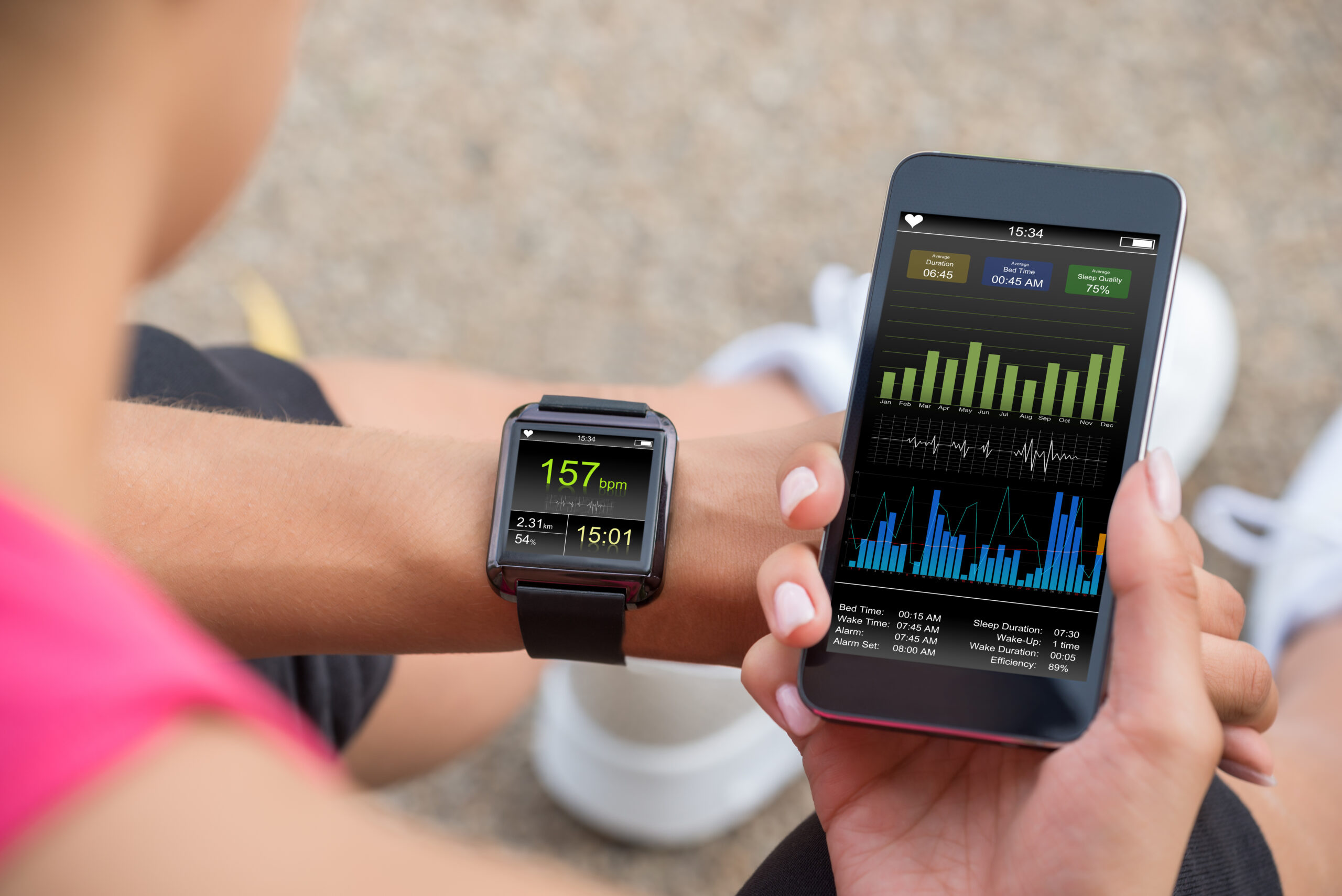
Technology can also provide helpful feedback. Metrics like heart rate variability (HRV) and sleep consistency can reveal whether recovery is trending in the right direction. I treat those signals as guidance rather than judgment. If recovery is trending lower, it’s often a sign that I need to adjust workload, training intensity, or sleep timing.
Recovery isn’t an indulgence. It’s essential for maintaining a consistently high level of cognitive function. If you want sustainable leadership over years or decades you have to protect the systems that support clear thinking and consistent decision-making, and sleep is one of the most important.
Training for Pressure: Movement as Leadership Preparation
Another system I protect is movement. As an athlete and Air Force officer, physical training was never just about fitness. It has always been a way to mentally prepare for pressure.
In both competitive athletics and military service, physical training is built into the structure of the day. Over time, I realized the value of that training goes far beyond physical strength and endurance. It develops discipline, resilience, and the ability to stay composed in uncomfortable situations.
Those same qualities show up constantly in effective leadership.
When you’re responsible for a team, a company, or a mission, pressure is inevitable. Decisions have consequences. Unexpected challenges appear. Not every situation will be comfortable or predictable. Leaders who can remain steady in those moments tend to perform better over time.
Physical training helps build that steadiness.
There’s something powerful about intentionally putting yourself in situations that require effort and focus: lifting when you’re tired, finishing a workout when motivation dips, pushing through a demanding training session. Those moments reinforce the ability to stay composed when conditions aren’t perfect.
I’ve also learned that workouts, like sleep, have to be treated as non-negotiable calendar commitments. Training left to chance tends to get squeezed out by meetings, travel, and unexpected work demands. When it’s scheduled and protected like any other important responsibility, it becomes part of the system that supports sustainable leadership.
Movement also plays an important role in managing stress and maintaining mental clarity. Regular physical activity improves circulation, supports cognitive function, and helps regulate stress responses. After a demanding day, training often becomes a way to reset both physically and mentally.
For leaders pursuing sustainable leadership, movement isn’t a distraction from work. It’s preparation for it.
Nutrition Systems That Prevent Reactive Decisions
Believe it or not, most people don’t make their best decisions about food when they’re hungry. We’ve all heard the advice: don’t go grocery shopping on an empty stomach. Nutrition is an unexpected area where systems matter more than willpower. You’d be surprised how much a little structure can influence how you fuel your body.
When energy is low and the day is already packed with meetings, the brain naturally looks for the fastest, easiest option for getting calories. That’s when reactive decisions take over. I’ve learned that if I wait until I’m hungry to decide what to eat, the outcome usually isn’t great.
Meal planning, even at a basic level, removes a surprising amount of daily friction. When meals are already decided or prepared ahead of time, it eliminates one more decision from the day. Instead of reacting to hunger in the moment, you simply follow the system you’ve already set.
A few easy tactics can make this much easier:
- Create a simple lunch menu. Many leaders have busy days with lunch squeezed between meetings. Having a small rotation of go-to lunches removes the need to decide in the moment.
- Build a consistent grocery list. Instead of reinventing meals every week, keep a standard list of foods that support your routine and replenish them regularly.
- Prepare ingredients ahead of time. Cooking proteins, chopping vegetables, or portioning snacks in advance makes it easier to assemble meals quickly during the week.
None of this requires strict dieting or rigid rules. The goal is simply to remove unnecessary decisions.
Fueling the body regularly and intentionally helps stabilize energy levels, focus, and mood throughout the day. Sharp thinking and steady judgment require stable energy.
When nutrition is treated as a system rather than a series of daily decisions, it becomes easier to maintain that stability. It’s another example of how small systems can support long-term performance, which is key to sustainable leadership.
Data-Informed Self-Leadership
Systems are powerful, but they become even more effective when paired with feedback.
One advantage leaders have today is access to personal performance data that didn’t exist a decade ago. Wearable technology, sleep tracking, and recovery metrics provide valuable insights into how the body and mind respond to training, stress, workload, and recovery.
Used correctly, this information can support sustainable leadership by helping leaders recognize patterns before small problems grow.
One metric I pay attention to is heart rate variability, or HRV. HRV reflects how well the nervous system adapts to stress and recovers. When HRV trends upward, it’s often a signal that recovery, sleep, and training are in a healthy balance. When it trends downward for several days in a row, it can signal that the body is under more stress than usual.
That information doesn’t dictate my decisions, but it informs them. Instead of reacting to individual data points, I try to look for trends across a few core signals:
- HRV trends: A window into how well the body is adapting to stress and recovery.
- Sleep duration and consistency: Whether recovery systems are supporting mental clarity.
- Resting heart rate: A simple indicator of fatigue, illness, or accumulated stress.
- Training consistency. Whether movement routines are being maintained each week.
When those signals start drifting in the wrong direction, it’s usually a sign to make adjustments. The key is remembering that data is feedback, not judgment.
Numbers are most useful when they help leaders ask better questions:
- Am I recovering well?
- Am I pushing too hard right now?
- Is my schedule allowing enough time for sleep and training?
- Are the systems I’ve built actually supporting my performance?
Viewed this way, personal performance data becomes a tool for awareness rather than a source of pressure. On the quest for sustainable leadership, the goal isn’t to obsess over metrics. It’s to use those signals as occasional checkpoints that ensure the systems supporting focus, recovery, and performance are working as intended.
Guardrails, Not Restrictions
The routines described throughout this article, morning focus, protecting sleep, training regularly, planning nutrition, might sound rigid at first.
But when put into practice, they create freedom.
Many people view structure and personal rules as limitations, but they should function more like guardrails. Structure removes unnecessary decisions and protects the capacity needed for judgment that matters.
When certain behaviors become non-negotiable, they stop consuming mental energy. You don’t debate whether to work out. You don’t negotiate bedtime. You don’t scramble to decide what to eat in the middle of a busy day. The decision has already been made.
Structure also reinforces identity. Over time, these routines stop feeling like obligations and become part of how you operate. Protecting sleep becomes normal. Training regularly becomes expected. Starting the day with focused work becomes part of your leadership.
This identity shift is where sustainable leadership really takes hold.
The Compounding Effect of Sustainable Leadership Systems
At first glance, the systems described throughout this article might seem small. None of these recommendations are dramatic or groundbreaking on their own.
But leadership performance is rarely determined by dramatic moments. It’s shaped by the accumulation of good decisions and consistent execution that lead to success.
When leaders consistently protect sleep, their thinking becomes clearer. When they train regularly, they build resilience under pressure. When nutrition is structured, energy levels remain stable throughout the day. When decision fatigue is reduced, judgment remains sharp.
Each system supports the others.
Sustainable leadership is built through structure. The leaders who perform well over decades rarely rely on motivation alone. They rely on systems, and over time, those systems make consistent leadership not just possible, but easy.